

Big House Plants
The large house plants can be used to soften the entranceway or define an area. They also purify air and bring nature inside.
The trend of a leafy interior is everywhere this year and these vibrant green plants are the perfect way to take advantage of it. Here are the best big leaf plants that will bring a lush look to your home.
Cast Iron Plant
The Cast Iron Plant (Aspidistra elatior) is one of the most easy houseplants to take care of. It is almost indestructible, and can withstand poor lighting, infrequent watering, and a lack of attention. It's perfect for those who are new to gardening or have a busy lifestyle. It is often used as a houseplant, however, it can also be planted in the garden under shade trees or as ground cover.
This slow-growing perennial is sensitive to direct sunlight. It thrives in moist well-drained soil, but it can adapt to nutrient-poor and dry conditions, too. It's easy to grow in containers, but it can spread through rhizomes when placed directly in the area where its hardiness zone is located.
Standard potting soil is the best for these plants. It should also include perlite for drainage. Aim for a mixture that's 70% potting soil and 20% perlite to get the ideal balance of drainage and retention.
Aspidistras don't need to be repotted regularly However, if they need to be repotted the new container must be slightly larger than the one before it. Remove the roots gently from the old pot and then plant the plant in a container about one size larger. This will prevent them from outgrowing their containers and leading to root rot. After repotting, be sure that any excess soil is removed.
Swiss Cheese Plant
The Swiss cheese plant is also known as Monstera deliciosa, is a 1970s favorite that is experiencing a new era. The large heart-shaped leaves of the plant are perforated with holes that are reminiscent of Swiss cheese, hence the name. This green vine is a tropical favorite that can be a stunning home plant. Patch Plant reports that it's an excellent choice for outdoor gardens, as it can climb walls, fences and even trees.
Like many plants in the Genus Monstera, Swiss cheese plants are relatively easy to take care of. To thrive, they need warmth, humid air and bright indirect light. They thrive in a mix that includes one part perlite and three parts peat-based pot soil or Coir, and one piece of orchid bark. Find this kind of potting mix at nurseries or garden centers. You can also make your own by mixing together equal parts of each ingredients.
Give your Swiss cheese plant an moss pole to stimulate it to climb. This helps recreate the environment that it evolved in to survive, climbing the mossy trunks of jungles. The trellis should be placed near a large window. However it should not be exposed to direct sunlight, as it could burn the leaves.
Mist the leaves of your Swiss cheese plant on a regular basis to keep it hydrated. Avoid overwatering and wait until the top inch of soil is dry before watering again. If the tips of plants begin to change brown then it's time to add water.
Heartleaf Philodendron
The heartleaf Philodendron belongs to the group of the philodendrons family of over 500 varieties, according to Smart Garden Guide. It is among the most classic house plants. It has long, dangling vines that can trail down from hanging baskets or crawl up walls and shelves. Its emerald green leaves are marked by golden yellow or yellow stripes and spots. Philodendrons can also be trained to climb a mosspole or trellis where they bring vibrant color to your home.
Philodendrons can tolerate a wide range of light conditions. They thrive in indirect, bright light but can tolerate shade as well. To be successful they require plenty of humidity. You can achieve a relative humidity of 40 percent by misting your plants with water or using a machine to create humidity. If you notice that the tips of your plants are beginning to turn brown, this is a sign that the air is too dry.
Heart leaf philodendrons can be easily to propagate by stem cuttings or root division. To root a healthy cutting make a clean cut just below the nodes, then put it in the rooting hormone.
It is best to repot your plant every two or three years. It should be watered thoroughly before repotting to loosen the roots and reduce stress. It's also a good time to trim any vines with long branches or cut any plants that are stunted. Aphids, for instance, or fungus gnats could attack Philodendrons. You can control them with natural solutions such as neem oil spray or insecticidal soap.
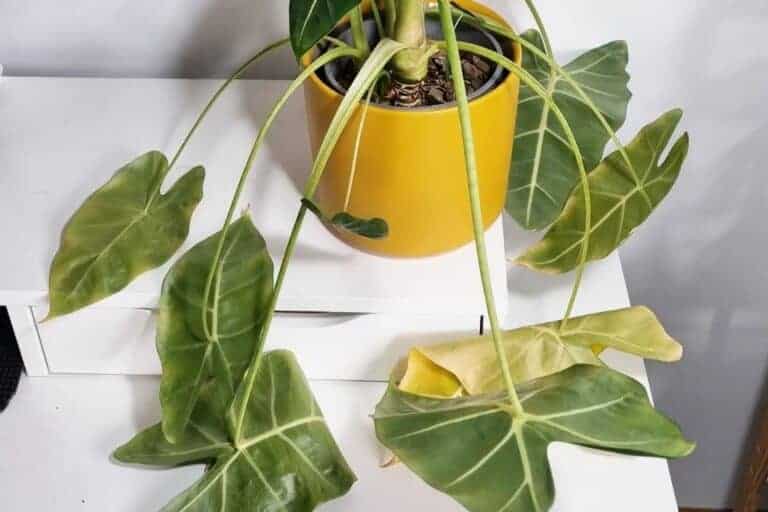
Calathea zebrina
Calathea is also known as a maranta or prayer plant, is a popular tropical plant that is a staple in gardens and greenhouses. This houseplant, also referred to as zebra, prayer or maranta can grow to be much larger than its relatives, Aphelandra sqarrosa and Maranta leucoreura. Like many other species of tropical plants it likes indirect to moderate sunlight with high humidity. It is recommended to keep it out of areas that are drafty, fireplaces or radiant heat sources. It can tolerate a bit of direct sunlight in the morning, however it is essential to prevent the temperature from getting too hot in the afternoon.
In the garden, it prefers a well-drained soil that is always moist. It is prone to overwatering however, and does not thrive in waterlogged conditions. It is a good idea to water it frequently throughout the growing season, allowing the top two inches of the soil to dry between waterings. In winter, it is less frequent to water because it slows its growth.
Repotting requires indoor house plants , draining pot soil. You can also add organic matter into the mix, like compost or shreds of bark. Calathea Zebrina is able to quickly outgrow the container it is placed in. It is possible to separate the rosettes on your calathea in order to prevent overcrowding. If the plant is overcrowded, its leaves will fall off or die. This is usually a sign that the air is too dry or the water quality has deteriorated.
Pachira aquatica
Pachira aquatica is also known as a money plant, and is among the most commonly used houseplants in modern homes. It is pet-friendly, nearly indestructible, and grows to a stunning size (around three meters.) It is likely to give you a stunning canopy of maple-shaped leaves as well as a distinctive braided trunks, as long as it is given enough water and light.
Although they are native to tropical areas they can adapt to indoor conditions and thrive in shady locations or windows with indirect light. Money trees prefer moderate but regular watering and don't require being frequently repotted. Make sure that the potting mix doesn't get too wet. Overwatering can cause stem and root rot, yellowing and dropping of leaves.
If you want to increase your money tree's population, take the stem in late summer or in the spring and dip it into the rooting hormone. Place it in peat-free cactus or garden plant compost, and then water thoroughly. It's also possible to grow money plants from seeds, but this isn't a very reliable method. An alternative that is more reliable is to use air layering, which is making the plant grow roots at the base of the stem, which you can then plant in fresh compost. It's the most secure method to propagate money plants, but it's not as quick as cuttings.
Dieffenbachia
Dieffenbachia, a tropical plant, has large leaves which can reach 16 inches in length. It is a very popular houseplant and can also be grown in a shade garden. Dieffenbachia comes in many varieties such as 'Camille' which has a wide swath on the leaf of white and creamy, surrounded by bright green. The leaves are smooth and leathery with a leathery texture. They can be cleaned with a damp cloth.
Like their native rainforest habitat, dieffenbachias need warmth and humidity to flourish. Indoors, you should aim for temperatures between 60 and 75 degrees. Place dieffenbachias near bathrooms or any other areas in areas that are naturally humid to increase humidity. You can also utilize a humidifier or set the pots in pebble trays that are filled with water.
If your dieffenbachia's leaves show brown edges or tips they may be an indication that the plant isn't receiving enough moisture. This could be due to low humidity, irregular watering or excessive fertilizer application. If the leaves are curled with brown edges Try flushing away the salts that have built up by gently washing the plants with clear water.
Dieffenbachias require regular watering, but they should be allowed to dry a little between sessions. You can also spray the foliage with the spray bottle to give it a moist feel, but do not use rainwater since it could contain the fungus-causing residues.